
Blog
Signs You Need Boiler Servicing: What to Do Next
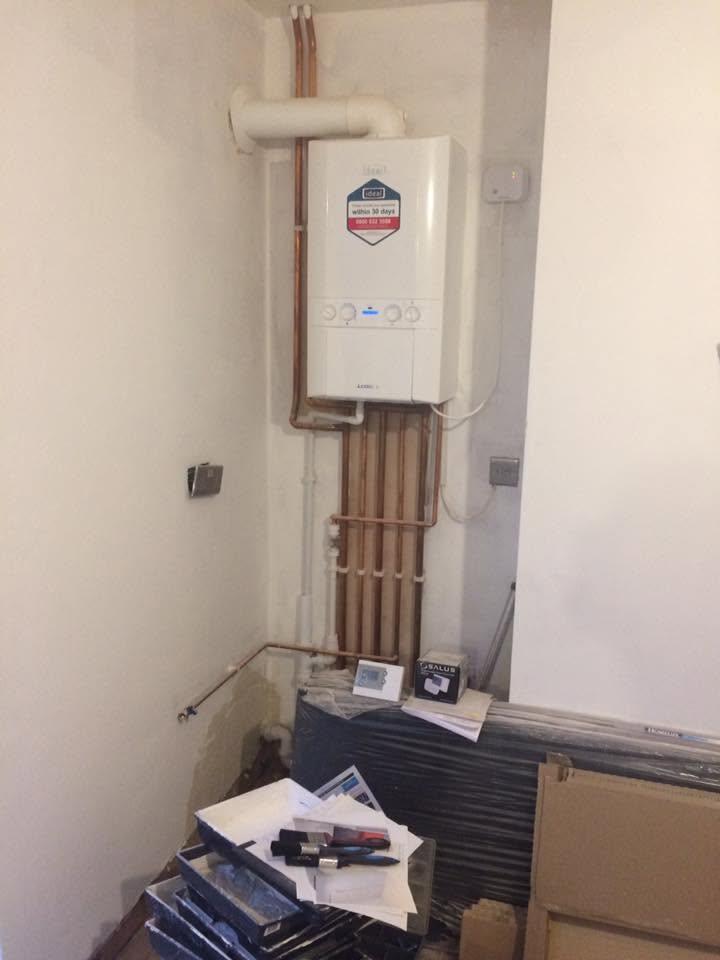
Signs you need boiler servicing and what to do next
A boiler can continue producing heat while developing faults that affect its efficiency, reliability or safety. Knowing the early warning signs helps homeowners, builders and property managers arrange the right attention before a minor issue becomes a larger repair.
Boiler servicing is different from boiler repair. A service is a planned inspection and maintenance visit. A repair responds to a known fault, such as a breakdown, leak or loss of pressure. If your boiler is still working but something has changed, servicing may be the sensible next step.
1. The boiler is making unusual noises
Boilers are not completely silent, but new or worsening sounds should not be ignored. Banging, kettling, whistling, gurgling or vibrating noises can indicate issues with water flow, air in the system, internal components or deposits within the heat exchanger.
The type of noise, when it happens and whether it is becoming more frequent can help an engineer assess what may be wrong. Do not remove the boiler casing or attempt internal work yourself. Make a note of the sound and contact a qualified boiler professional for advice.
2. Your heating is taking longer to warm up
If radiators take longer than usual to heat, or rooms no longer reach a comfortable temperature, the boiler may not be operating as efficiently as it should. The cause could be related to the boiler, controls, circulation or the wider central heating system.
Check simple points first. Make sure the thermostat is set correctly, the heating schedule has not changed and radiator valves are open where needed. If the problem continues, a boiler service can help identify whether maintenance or a repair is required.
3. Hot water is inconsistent
A sudden change in hot water performance is another reason to arrange a boiler check. Water that runs hot and cold, takes too long to heat or does not reach its usual temperature may indicate a developing fault.
This is particularly disruptive in busy family homes, rental properties and properties being prepared for occupation. Record when the problem occurs and whether it affects all hot water outlets or just one tap. That information can help distinguish a boiler issue from a local plumbing fault.
4. Boiler pressure keeps changing
Many sealed central heating systems have a pressure gauge. The correct reading depends on the system and manufacturer guidance, but a pressure that repeatedly drops or rises needs investigation.
Frequent pressure loss may be linked to a leak, an expansion vessel issue or another system fault. Topping up the pressure repeatedly without finding the cause is not a long-term solution. If you notice water around the boiler, radiators or pipework, arrange a plumbing or heating assessment promptly.
5. Your energy use has increased without an obvious reason
Higher energy bills can have several causes, including weather, tariff changes, insulation and heating controls. However, if your usage has risen while your routines have stayed broadly the same, reduced boiler efficiency may be part of the picture.
A regular service allows an engineer to inspect the appliance and check that it is operating as intended. Servicing cannot eliminate every cause of higher energy use, but it can help identify maintenance needs and potential faults earlier.
6. The boiler has not been serviced for some time
You do not need to wait for a visible problem before arranging a boiler service. Annual servicing is commonly recommended for gas boilers, subject to the manufacturer's guidance. It provides an opportunity to check the appliance, identify signs of wear and discuss any concerns about performance.
Keep a record of service dates, particularly if you manage a rental property or oversee several homes. A planned maintenance schedule can make it easier to arrange access and avoid services being overlooked.
What to do if you notice these signs
Start by checking the boiler display for an error code and consult the manufacturer's instructions. Do not repeatedly reset the boiler if the fault returns. If you smell gas, turn off the gas supply if it is safe to do so, avoid electrical switches and contact the relevant emergency service. Carbon monoxide alarms should also be installed and tested in line with the manufacturer's instructions.
For servicing, repairs or installation work, use a Gas Safe registered engineer for gas boiler work. The engineer should be able to explain what was checked, identify any concerns and tell you whether the boiler needs servicing, repair or replacement.
The final recommendation may depend on the boiler's age, condition, availability of parts, property type and the scope of work required. For a replacement or planned installation, access, heating demand and hot water requirements will also affect the specification. Request a clear quote after the boiler and system have been assessed rather than relying on a price based only on a brief description.
Boiler servicing in the South West
PlumbCare Southwest Ltd provides boiler servicing, boiler repair and boiler installation for homeowners, builders and property managers across Taunton, Bridgwater, Bristol, Portishead, Weston-super-Mare, Yatton, Highbridge and Burnham-on-Sea. The service is suitable for planned maintenance as well as small repairs and mid-size installations.
If your boiler is showing any of the signs above, contact PlumbCare Southwest Ltd to discuss the next step and arrange an assessment.